
At PBIS, we believe education is not simply about passing on knowledge. It is about creating an environment that helps children grow, develop confidence and prepare for life. Our philosophy is built around three ideas that shape everyday life at school:
– We believe curiosity is one of the strongest drivers of learning. That is why we make learning meaningful, encouraging children to ask questions, explore new ideas and discover what excites them.
– School is more than a building. It is a community. We create an environment where children feel they belong, where they feel safe, and where they are surrounded by experiences that broaden their view of the world.
– Every child has their own pace, strengths and potential. We support students to grow step by step, build self-confidence and learn to take opportunities with courage. Together, these three ideas create a school environment where children do more than study. They grow, flourish and begin to understand who they can become.
-
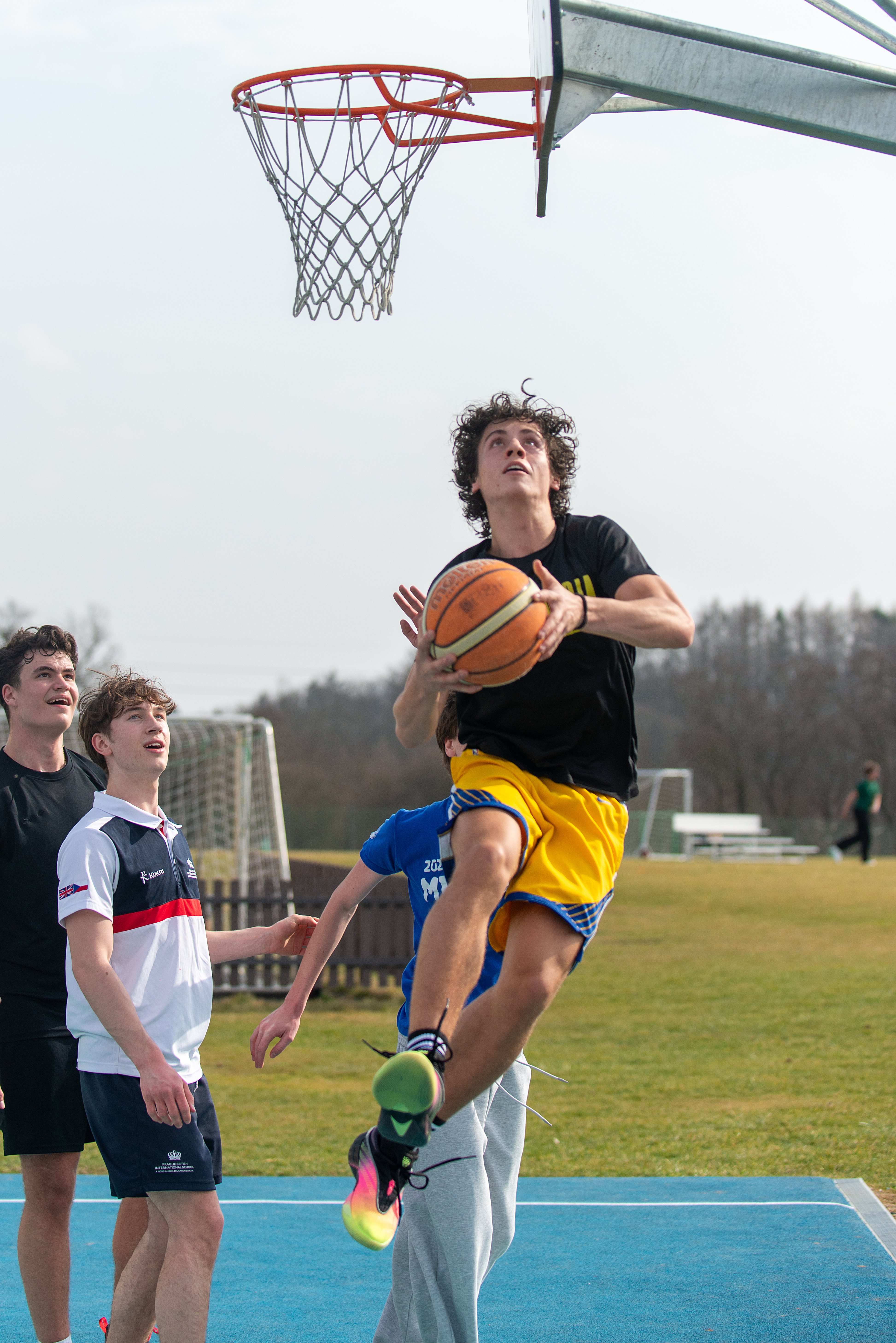
From a dragon to a college athlete in the USA: Tom’s journey of passion, discipline and community
Tom’s story reflects what long-term development at PBIS can look like when curiosity meets commitment. Having joined the school at just three years old, his journey is shaped not by a single breakthrough moment, but by years of gradual growth, support, and personal determination. Today, Tom is preparing to continue his basketball career at college level in the United States.
No comments on From a dragon to a college athlete in the USA: Tom’s journey of passion, discipline and community -
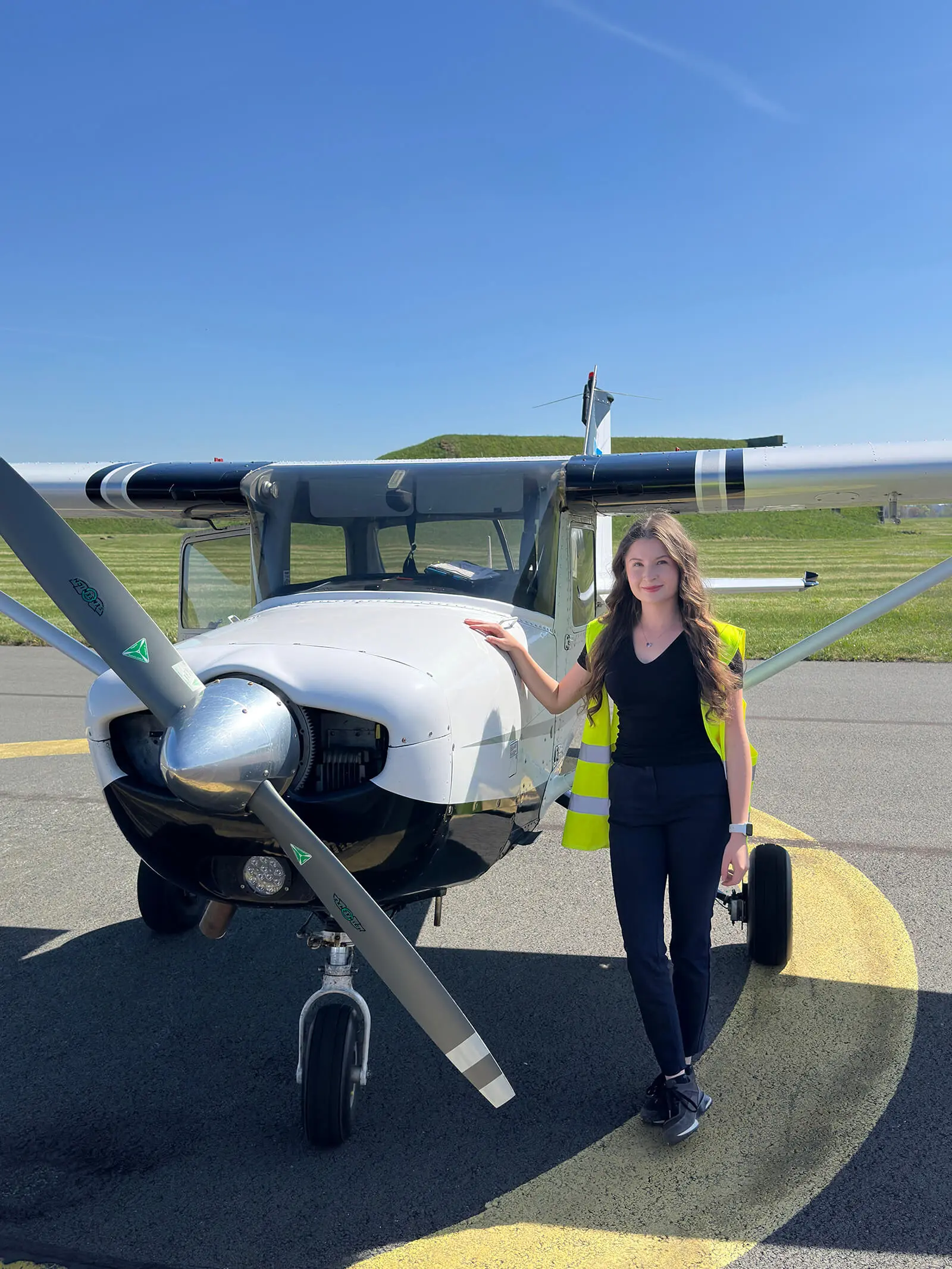
PBIS alumni story: from chemistry class to the cockpit
Since graduating from PBIS, Dominika has followed a clear and determined path into aviation. Today, she is studying to become a professional pilot at the Czech Technical University in Prague, working through the demanding ATPL (Airline Transport Pilot Licence) program.
Her story shows how curiosity, discipline, and the ability to connect academic interests with real-world goals can gradually turn a into a professional direction.
-
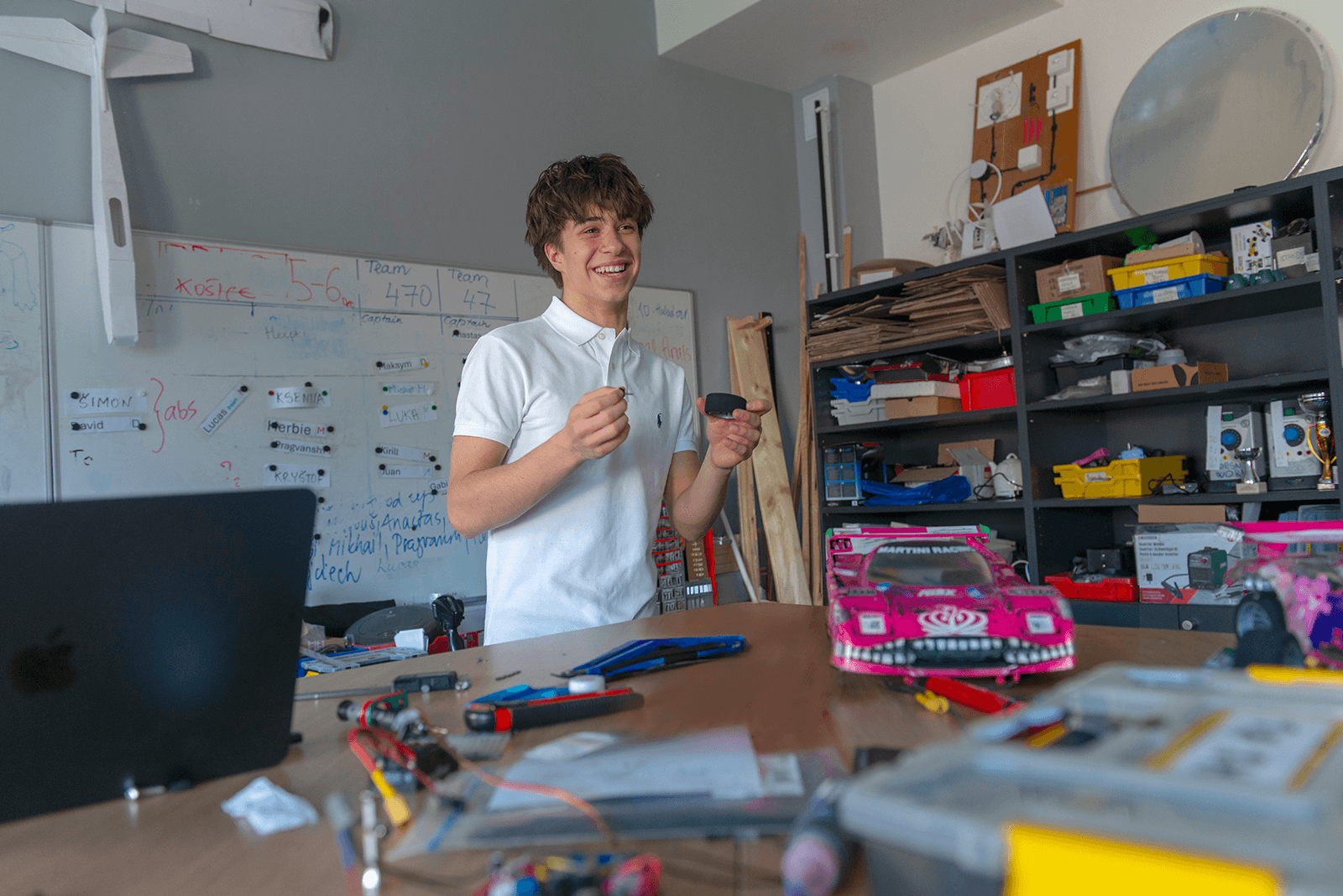
Anastas’ journey in hydrogen racing
Anastas has been a part of PBIS since 1st grade. Today, as a 12th grader, he is known for his technical commitment and leadership skills as part of the school’s hydrogen car project. But his journey to engineering didn’t start with a clear plan.
-
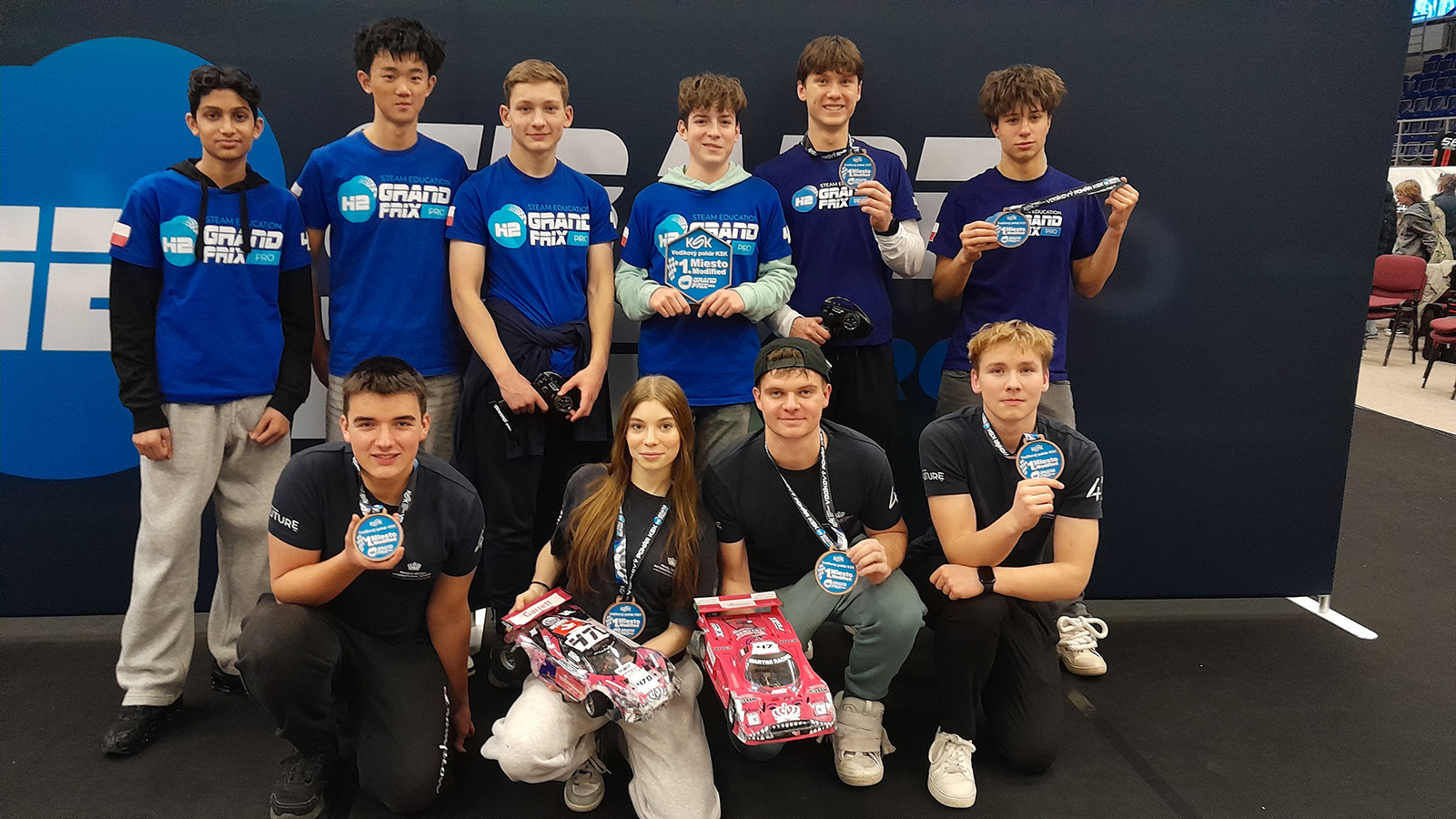
From classroom curiosity to hydrogen racing: how hydro PBIS juniors stepped onto the starting grid
At PBIS, STEAM clubs are more than an extension of classroom learning. They are spaces where curiosity can turn into real projects. In an environment that connects science, technology, engineering, arts, and mathematics, students are encouraged to experiment, collaborate, and take ownership of ambitious ideas. One of these projects is the Hydrogen Car initiative.
-
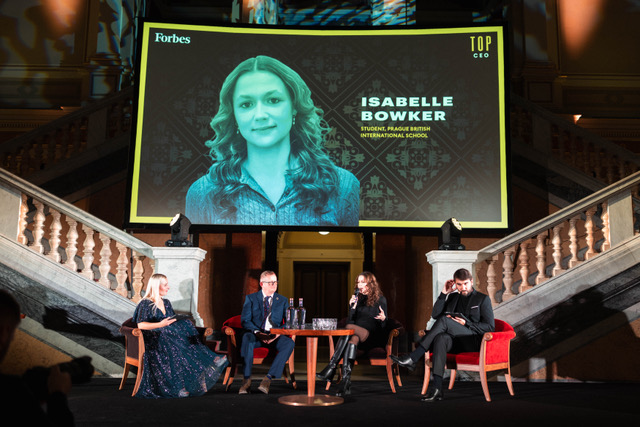
Rising to every challenge: how Isabelle turned curiosity into real opportunities
When Isabelle stepped onto the stage at the Top CEO Gala 2025 hosted by Forbes, she represented more than just herself. She represented the kind of student PBIS strives to develop curious, responsible, and willing to turn opportunities into real impact.
-
How the student team worked with UNICEF
When a group of students decided to get involved in a project in collaboration with UNICEF, it wasn’t a grand plan. They didn’t start with a vision of a nationwide campaign or an ambition to raise a record amount of money. They started with a question:
What can we do? -
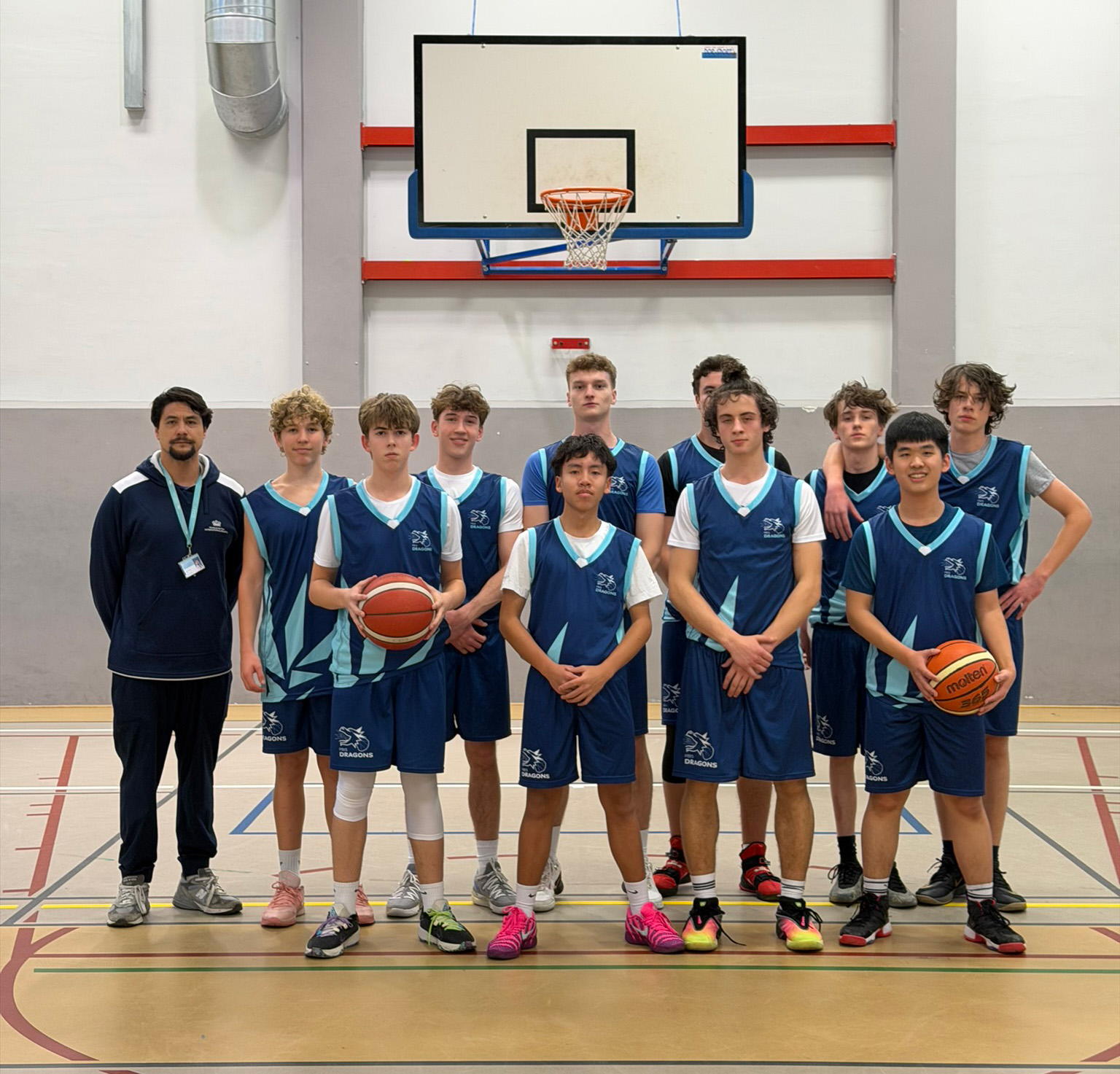
A Season to remember: the story of the U18 team
At the beginning of the season, they were not the favorites.
The U18 team entered the regional basketball league without any big names, without a player who significantly stood out from the rest, and without any expectations of great .
They were a diverse group. Some were technically advanced, others were physically strong, and still others were just finding their footing.
-
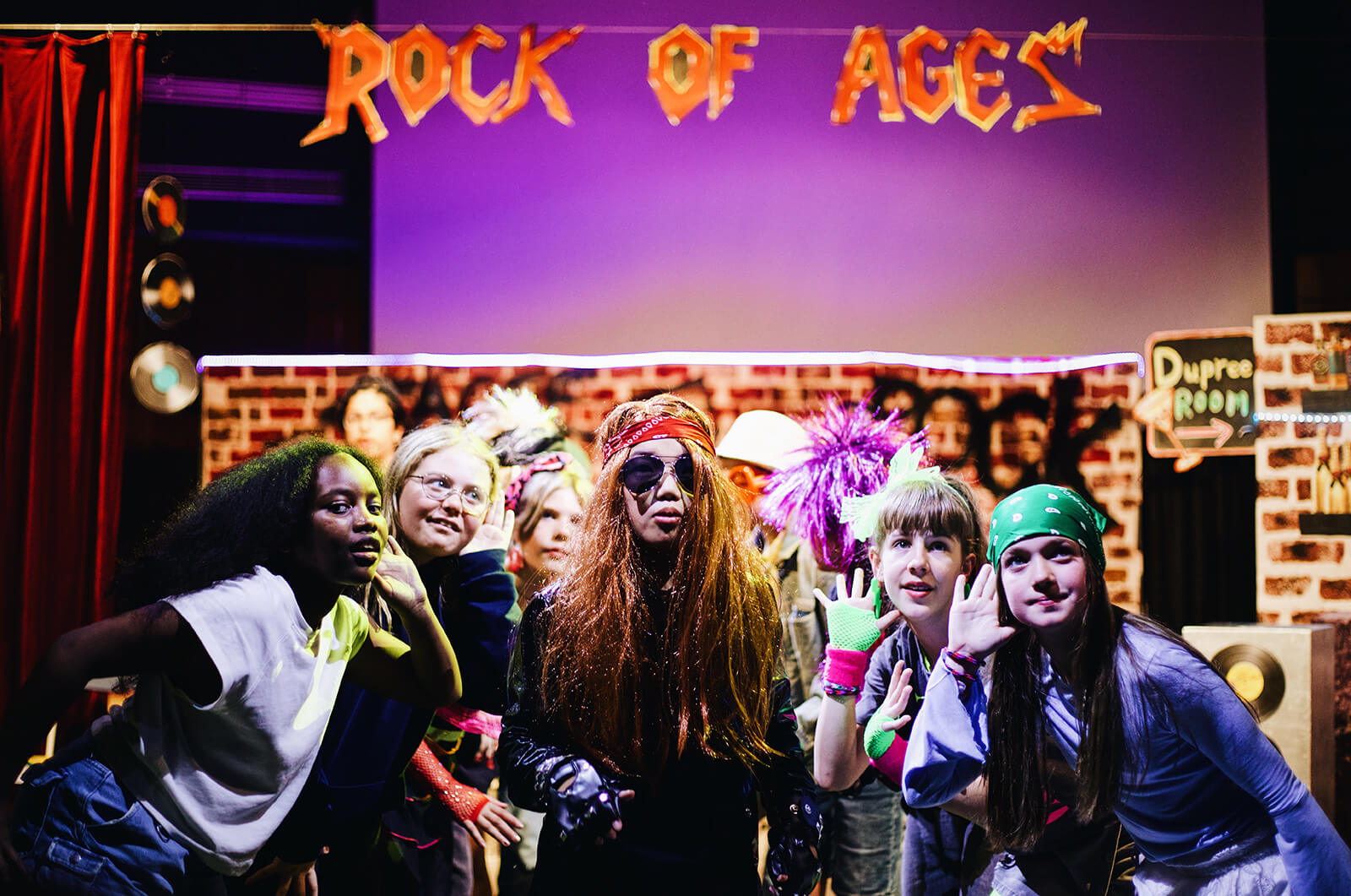
How Elen’s talent was discovered
When Elen first entered the school theater studio, she didn’t come there to become an actress. She came because it was a place where she felt comfortable. No pressure. No expectations. Just an environment where she could try things out. At that time, no one, not even herself, would have described her as particularly talented. Yet there was something less visible in her. Potential.
-
How Marek found his pace
When Marek signed up for his first local cycling race, he didn’t consider himself a competitor. He didn’t have a long history in sports, no significant results, or a clear idea of how he would perform. But he had a growing interest and a willingness to pursue it step by step.
Today, Marek regularly competes at the regional level, gradually improving his performance and becoming a reliable member of the local cycling team. His progress is not defined by medals, but by consistency, discipline, and a clear direction. His journey did not begin with a turning point. It began inconspicuously.
-
How Laura found her way from curiosity to a doctorate
When Laura was filling out her university applications, she still did not have a clear answer to the question adults so often ask: what do you want to be? The certainty came later. What existed much earlier, however, was curiosity and the courage to follow it step by step.
Today, her achievements speak for themselves. Laura graduated with a bachelor’s degree in biochemistry as the top student in her cohort, completed an internship at the Max Planck Institute of Biochemistry, and received six prestigious awards, including the Jelf Medal for academic excellence and outstanding extracurricular involvement. This autumn, she is beginning her doctoral studies at Oxford University.